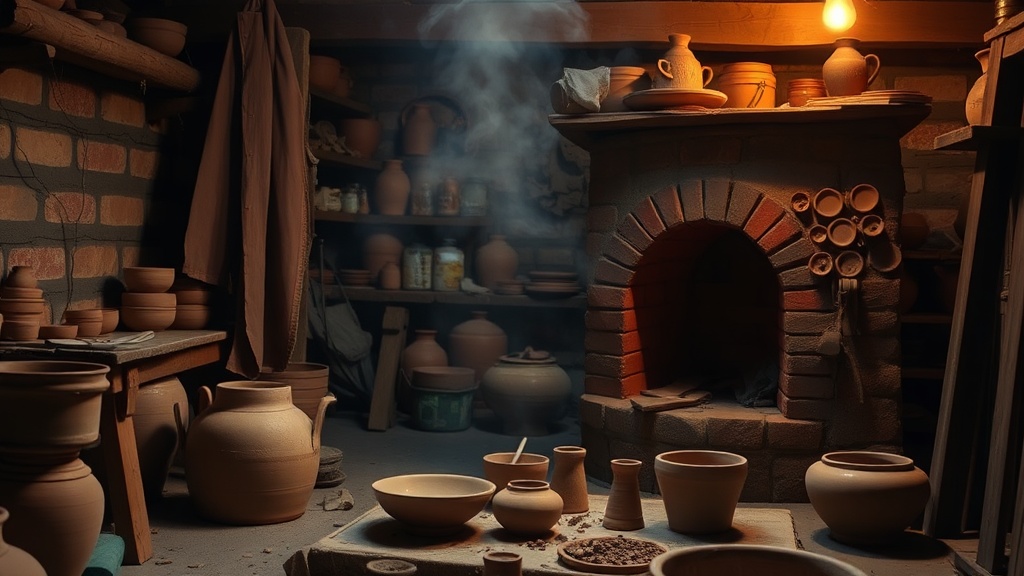
Building a Small Scale Pottery Kiln at Home

Most people believe that building a functional pottery kiln requires an engineering degree and a massive industrial budget. That’s simply not true. While professional studio kilns are expensive, you can build a small-scale, functional kiln at home using basic electrical components and high-temperature refractory materials. This post breaks down the technical requirements, the material list, and the assembly steps for a small electric kiln capable of reaching temperatures suitable for earthenware or low-fire stoneware.
Building your own equipment is about control. When you buy a pre-made kiln, you're locked into their specs. When you build one, you decide the volume and the heating element configuration. It's a project that demands precision—if your wiring is sloppy, you won't just ruin your clay; you might blow a fuse in your entire house.
What Materials Do You Need to Build a Kiln?
You need high-temperature refractory bricks, Kanthal A1 heating elements, a PID temperature controller, a solid-state relay (SSR), and a heavy-duty power source. The core of your kiln is the insulation. You can't just use standard kiln bricks; they're too heavy and slow to heat up. Instead, look for high-alumina firebricks or ceramic fiber blankets. These lightweight materials allow for faster heat-up times and better energy efficiency.
Here is a breakdown of the primary components you'll need to source:
- Refractory Insulation: Ceramic fiber blankets (like those from ceramic fiber) are much easier to work with than solid brick for a DIY build.
- Heating Elements: Kanthal A1 wire is the industry standard for a reason—it handles the heat without melting immediately.
- Control System: A PID controller (Programmely or similar) to manage the temperature curves.
- Switching: A Solid State Relay (SSR) to allow the PID to pulse the power to the elements.
- Enclosure: A steel or heavy-duty metal frame to hold the bricks in place.
Don't skimp on the wiring. You'll be dealing with high amperage, so ensure every connection is tight. A loose wire creates resistance, and resistance creates heat—not the good kind of heat that cooks your clay, but the kind that starts fires.
How Much Does a DIY Kiln Cost to Build?
A small-scale DIY kiln typically costs between $250 and $500 depending on the size and the quality of the electronics you select. While a professional kiln from a brand like Skutt might cost upwards of $1,200, building your own allows you to keep the budget focused on the actual heating components rather than the brand name.
The cost varies based on three main factors:
- Size: A larger volume of ceramic fiber insulation will drive up the price significantly.
- Temperature Ceiling: If you want to hit high-fire stoneware temperatures, you'll need more expensive wire and more robust-grade insulation.
- Automation: A basic manual switch is cheap, but a programmable PID controller—which is what you actually want for consistent results—adds a bit to the upfront cost.
It's worth noting that the most expensive part isn't the bricks—it's the controller and the wiring. If you try to save money by using cheap electrical components, you're asking for trouble. (I've seen people try to use standard household light dimmers for this, and it's a disaster waiting to happen.)
Component Comparison: Manual vs. PID Control
| Feature | Manual Switch/Dimmer | PID Controller (Recommended) |
|---|---|---|
| Precision | Low (Manual adjustment) | High (Automated curves) |
| Safety | Risky (Human error) | High (Automatic shut-off) |
| - | - | |
| Ease of Use | Tedious | Set it and forget it |
How Do You Assemble the Kiln Structure?
The assembly begins with creating a three-sided box using ceramic fiber insulation and a rigid frame. You'll want to create a "nest" for your heating elements so they don't touch the outer shell. If the elements touch the side walls, they will short out or burn through the insulation.
First, build your structural frame. Most DIY builders use a metal or wooden frame (though wood is dangerous near high heat, so metal is preferred) to hold the ceramic fiber blankets. You'll wrap the blankets around the interior to create a thick, insulating wall. This is where you'll create the "grooves" or channels for the heating elements to sit in.
Next, install the heating elements. You'll thread the Kanthal wire through the channels you've created. It's vital to ensure the wire is tensioned correctly. If the wire is too loose, it will sag and eventually touch the insulation or the floor of the kiln. If it's too tight, it might snap during the first heat cycle.
Once the elements are in place, you'll connect them to your control box. The control box should be mounted away from the kiln's heat source. This is where the PID controller and the SSR live. The SSR acts as the gatekeeper, receiving signals from the PID and turning the power on and off rapidly to maintain a steady temperature.
The final step is the lid. A kiln lid needs to be heavy enough to retain heat but easy enough to lift. Most builders use a thick slab of firebrick or a heavily insulated ceramic fiber lid. This prevents heat from escaping through the top, which is the most common way to lose energy in a poorly built kiln.
"Precision in the wiring phase is the difference between a successful firing and a house fire. Never bypass safety protocols for the sake of a cheaper build."
Once your assembly is complete, you must perform a "test fire." This is a slow, controlled ramp-up to ensure there are no unexpected hot spots or electrical issues. Do this in a well-ventilated area—preferably outdoors or in a garage with heavy-duty ventilation—as the initial firing of new ceramic fiber can release fumes.
Testing your build is just as important as the build itself. You'll want to monitor the temperature with an external thermocouple to see if your PID's reading matches the actual internal temperature. If there's a discrepancy, you'll need to calibrate your controller.
Building a kiln is a serious undertaking. It requires patience, a respect for high voltage, and a willingness to troubleshoot. But once you see that first batch of earthenware come out perfectly glazed, the effort feels justified. Just remember: heat is a tool, but it's also a force that needs to be respected and managed carefully.