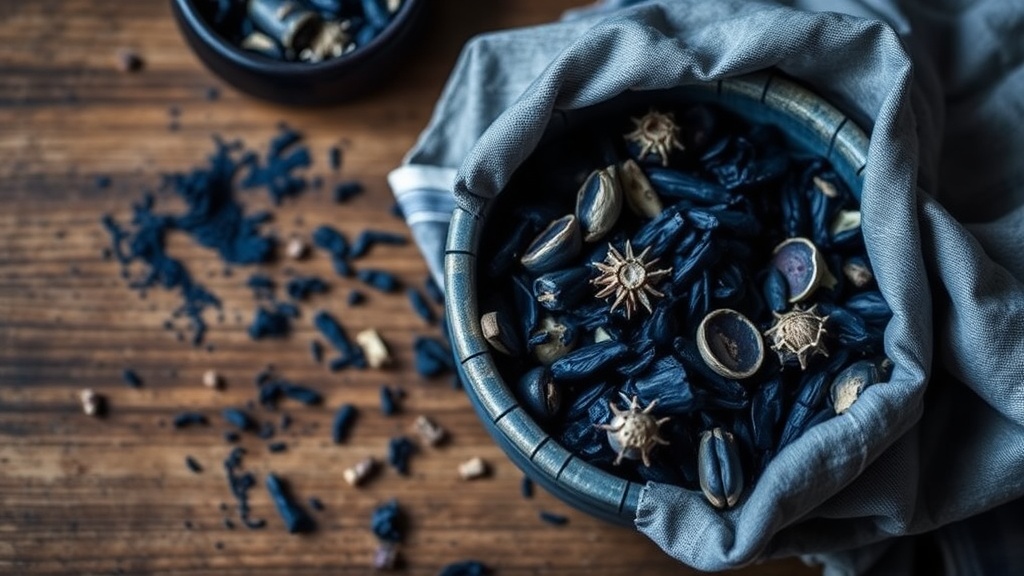
Natural Indigo Dyeing with Kitchen Scraps

Most people think you need a specialized laboratory or expensive, imported indigo powder to achieve deep blue hues on fabric. That's a mistake. While professional-grade indigo vats are a standard in textile arts, you can actually produce stunning, varying shades of blue using common kitchen scraps and organic fermentation-based methods right in your own kitchen. This post breaks down the science of creating a DIY indigo-style vat using plant-based inputs and explains how to achieve permanent color without a degree in chemistry.
Natural dyeing isn't just a hobby; it's a way to reclaim control over the chemicals touching your skin. When you use synthetic dyes, you're often dealing with heavy metals and harsh fixatives. By shifting to botanical sources, you're working with materials that are biodegradable and much easier on the environment.
How Do I Make a Natural Indigo Vat?
You create a natural indigo vat by inducing a fermentation process that reduces the indigo pigment so it can actually penetrate the fibers. Unlike synthetic dyes that sit on the surface, a well-managed vat allows the pigment to bond with the cellulose or protein of your fabric. You'll need a large glass jar or a ceramic crock, some organic indigo powder (I recommend the high-quality batches from Indigo Plant sources), and a reducing agent.
Here is the basic kit you'll need to get started:
- The Base: An indigo powder or a high-quality fermented indigo paste.
- The Reducing Agent: For a kitchen-friendly version, use calcium hydroxide (often called pickling lime).
- The Alkalinity Source: Wood ash water or soda ash.
- The Container: A large, heavy-duty glass jar or a stainless steel pot.
- The Fabric: 100% cotton, linen, or silk (avoid synthetics like polyester).
The process is a bit of a balancing act. You're essentially managing a living ecosystem. If the pH gets too high, you'll kill the vat; if it's too low, the color won't stick. It's a delicate dance, but once you get the hang of it, it's incredibly satisfying.
First, prepare your fabric. I always use a pre-wash with a neutral detergent. If your fabric has any leftover oils or starches, the dye won't take. It's a common pitfall that leads to splotchy results. If you're working with cotton, consider using a tannin soak beforehand to help the dye adhere.
The "Kitchen Scrap" Method: A Nuanced Approach
Wait, can you actually use food scraps for blue dye? Technically, "true" indigo comes from the Indigofera plant, but you can mimic the depth and complexity of a vat by using certain organic materials to influence your dye bath. While you can't turn an onion skin into blue, you can use fermented fruit scraps to adjust the acidity of your dye vats. This is a bit more advanced, but it's a great way to experiment with the pH levels of your vat.
For example, if your vat is too alkaline, adding a small amount of fermented fruit-infused water can bring the pH back down. It's a way to use what you have on hand to maintain a healthy, active dye bath.
What Are the Best Fabrics for Natural Dyeing?
Natural fibers like cotton, linen, silk, and wool are the only materials that will properly absorb botanical dyes. Synthetic fibers like the polyester used in many modern activewear won't hold the pigment, meaning your hard work will simply wash away the first time you hit the laundry. If you want your colors to last, stick to the natural stuff.
I've tested a few different fabrics in my studio in Philly, and the results vary wildly depending on the weave and the fiber. Here is a quick comparison of how different materials react to a natural indigo vat:
| Fabric Type | Dye Absorption | Durability | Difficulty |
|---|---|---|---|
| Silk | Excellent | High | Low |
| Linen | Good | Very High | Medium |
| Cotton | Good | High | Medium |
| Wool | Excellent | Medium | High (Heat Sensitive) |
Silk is a dream to work with—it takes the color beautifully and has a natural sheen. However, wool can be tricky. If your vat is too alkaline, it can actually damage the protein structure of the wool. Use caution with high-temperature dips.
How Much Does Natural Dyeing Cost?
The cost of natural dyeing depends on whether you buy pre-made extracts or build your own pantry of dyes. A single jar of high-quality indigo powder can cost anywhere from $30 to $60, but it will last for dozens of dye sessions. If you're buying specialized mordants and high-end fabrics, your initial investment will be higher, but the long-term cost per garment is actually quite low.
Here is a breakdown of estimated costs for a beginner setup:
- Starter Kit (Indigo, Lime, Soda Ash): $45 - $75
- Fabric (Organic Cotton/Linen): $15 - $30 per yard
- Basic Tools (Glass jars, pH strips, thermometer): $25 - $40
You don't need to go out and buy a professional-grade setup immediately. Start with what you have. A glass jar from your kitchen and some scrap linen are perfect for testing your first vat. Don't feel pressured to buy the most expensive organic dyes right away. Most of the magic happens in the process, not the price tag.
One thing to keep in mind: the "cost" isn't just money—it's time. A natural indigo vat is not a "set it and forget it" process. You have to watch it. You have to smell it. You have to check the pH. It's a slow art form. If you're looking for a quick fix, this might not be your thing. But if you enjoy the rhythm of a slow-moving project, it's incredibly rewarding.
When you're checking your vat, look for the "indigo flower." This is the metallic-looking film that forms on the surface of the liquid. When you dip your fabric, you'll see it turn from a yellowish-green to a bright blue as it hits the oxygen in the air. This oxidation is the most magical part of the whole process—it's the moment the color actually becomes "real."
If your vat looks dull or isn't producing color, it's likely a pH or a reduction issue. Don't panic. It's usually a simple fix. Check your pH strips. If you're below 10, you might need more alkaline agent. If you're way above 12, you might be hurting your fabric. It's a constant-adjustment game.
I've spent many afternoons staring at a jar of blue liquid, waiting for the perfect shade. It's a meditative experience. There's something deeply grounding about working with biological processes. You aren't just applying color; you're participating in a chemical reaction that has been used by humans for thousands of years. It's a connection to the past that feels very present in a modern, fast-paced world.
Just remember to keep your workspace ventilated. Even though you're using "natural" ingredients, the fumes from a strong alkaline vat can be quite pungent. I always keep a window cracked or work near a vent. It's a small detail, but it makes a big difference in your comfort level.
Once you master the basic vat, the possibilities are endless. You can layer colors, create patterns through resist dyeing (like shibori), or even experiment with different mordants to shift the hue. The sky is the limit, provided you respect the science behind it.