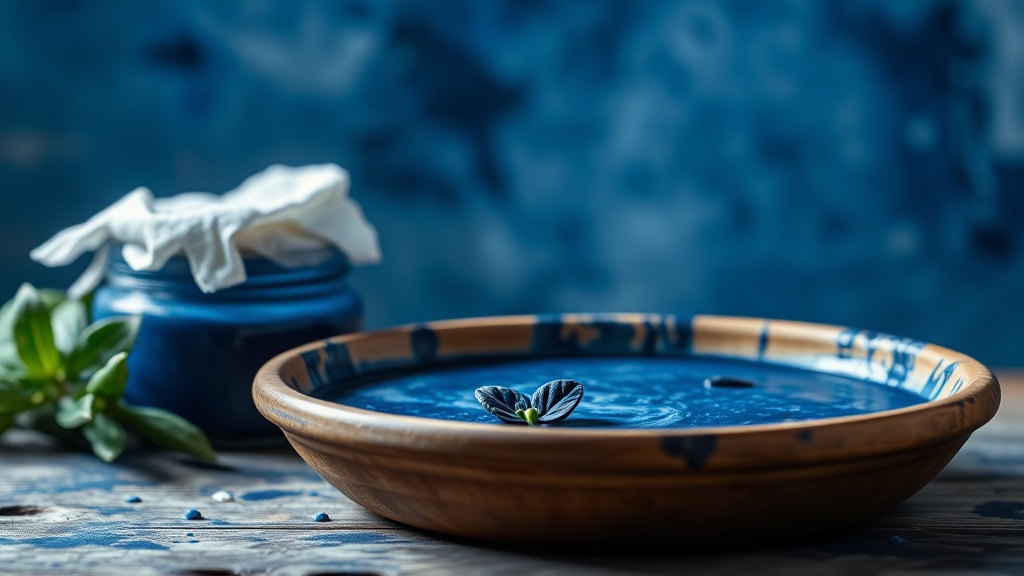
Creating Natural Indigo Dye Batches in Your Kitchen

Imagine a small studio filled with the smell of damp earth and fermented vegetation. A maker dips a plain linen cloth into a deep, murky liquid, only to watch as the fabric turns a striking, brilliant blue the moment it hits the air. This isn't magic; it's the chemical reaction of indigo oxidation. This post explains how to manage a natural indigo vat in a home kitchen setting, focusing on the chemistry, the necessary equipment, and the specific steps to achieve deep, lasting color without industrial chemicals.
Natural indigo dyeing is a bit of a science experiment. You aren't just staining fabric; you're changing its molecular structure. Most people assume you need a laboratory, but you really just need a controlled environment and a bit of patience. If you've ever worked with cyanotype prints, you already understand how light and chemistry interact to create color. Indigo is just a different beast entirely.
What Equipment Do I Need for a Home Indigo Vat?
You need a large, non-reactive container, a heat source, and specific pH-adjusting agents to create a successful vat. Most home dyers start with a large glass jar or a ceramic crock—avoid aluminum or reactive metals because the alkalinity of the vat can damage them. You'll also need a digital pH meter or high-quality pH strips to monitor the acidity levels. Don't rely on guesswork here; even a slight deviation can ruin a whole batch of fabric.
Here is a checklist of the essential gear:
- The Vat Container: A 5-gallon bucket or a large ceramic crock works best.
- Heat Source: An electric heating element (like a slow cooker or a portable induction burner) is safer than an open flame.
- Stirring Tool: A long wooden spoon or a silicone spatula.
- Digital Scale: For precise measurements of indigo powder and reducing agents.
- pH Meter: To ensure your vat stays in the 10.5 to 11.5 range.
If you are working with organic materials, ensure your kitchen space is well-ventilated. It's not a toxic process, but the smell of fermentation can be quite strong. You might want to keep a window open or use a vent hood. (I've learned the hard way that a closed-off kitchen becomes a bit of a swamp after three days of indigo fermentation.)
How Much Does Natural Indigo Dye Cost?
The cost of natural indigo varies depending on whether you buy pure indigo powder or pre-mixed organic kits, but expect to spend between $30 and $60 for a standard starting batch of high-quality indigo powder. While the upfront cost seems high, the longevity of the dye makes it a better value than synthetic alternatives. You can find reliable, high-purity indigo through specialized suppliers like Indigo dye distributors or botanical supply shops.
It is worth noting that cheaper, "synthetic-looking" indigo often contains fillers that won't react correctly with your reducing agent. You'll end up with a weak vat and wasted fabric. It's better to buy a small, high-quality amount than a large, cheap amount. Here's a breakdown of the typical costs for a DIY vat setup:
| Item | Estimated Cost (USD) | Frequency of Purchase |
|---|---|---|
| Pure Indigo Powder (100g) | $35 - $50 | Once every few months |
| Calcium Hydroxide (Lime) | $10 - $15 | Once or twice a year |
| Fructose/Reducing Agent | $15 - $25 | Once a year |
| pH Test Strips/Meter | $15 - $30 | One-time purchase |
Don't forget to account for the cost of your textiles. Natural indigo works best on cellulose fibers like cotton, linen, or hemp. If you try to dye silk or wool in a high-pH indigo vat, you might actually damage the protein fibers. Always check your fabric composition before you begin.
How Do I Prepare the Indigo Vat?
Preparing a vat involves dissolving the indigo in a reducing agent and adjusting the pH level to create an alkaline environment. This process is often called "reducing" the indigo, which means removing the oxygen so the dye becomes soluble. Most home-based makers use the "1-2-3 Method" or a fructose-based reduction method because it's more stable for beginners.
Follow these steps to get your vat ready:
- Hydrate the Indigo: Mix your indigo powder with a small amount of warm water to create a smooth paste. This prevents clumps in your final vat.
- Heat the Water: Heat your main volume of water (distilled is best) to about 120°F (49°C). It doesn't need to be boiling, just warm.
- Add the Reducing Agent: Slowly add your fructose or henna to the warm water. This is what pulls the oxygen out of the liquid.
- Add the Alkali: Add your calcium hydroxide (slaked lime) to bring the pH up. This is the most delicate part.
- The "Indigo Bloom": Stir the mixture gently. You'll see a metallic, iridescent film form on the surface. This is a sign that your vat is working.
Once the liquid turns a clear, yellowish-green color, it's ready. If it looks murky or brown, you might have too much oxygen or your pH is too low. Patience is your best friend here. Sometimes, a vat needs to "rest" for several hours or even a day before it's truly ready for dipping.
Common Troubleshooting Tips
If your dye isn't sticking, don't panic. It's usually a pH issue or an oxygen issue. If the liquid is too acidic, the indigo won't dissolve. If you see too many bubbles on the surface, you've likely introduced too much air. Try to stir as little as possible once the vat is active. Every time you stir, you introduce oxygen, which "kills" the vat temporarily.
Another thing to watch for is the color of the liquid. A healthy vat should look like a deep, translucent yellow-green. If it looks like dark, muddy sludge, the indigo has likely oxidized too early or your pH has crashed. You can often "rescue" a vat by adding more lime or more fructose, but it's a delicate balancing act.
When you're ready to dye, dip your fabric (which should be pre-washed and damp) into the vat. Don't leave it in too long. Short, multiple dips are better than one long dip. If you want a darker blue, dip the fabric, let it oxidize in the air until it turns blue, and then dip it again. This builds the color in layers, creating that deep, professional finish. It's a slow process, but the result is much more vibrant than a single heavy soak.
One thing I've noticed is that many people rush the oxidation stage. You might see the fabric turn blue almost immediately, but it hasn't finished its chemical reaction yet. Wait until the color has stabilized before you pull it out of the vat and rinse it. This ensures the color stays in the fibers and doesn't just wash away the next time you do laundry.
Steps
- 1
Prepare your indigo powder and alkaline solution
- 2
Monitor the fermentation process and pH levels
- 3
Dip and oxidize your fabric for deep color